In today’s competitive digital economy, businesses are judged not just by the quality of their products or services. Customer experience has become a major differentiator, driving loyalty, retention, and long-term growth. As organizations invest in technologies focused on customers, two terms can cause confusion: CRM (Customer Relationship Management) and CX (Customer Experience) platforms. While they are related, they serve different purposes.
Understanding the difference between a CRM and a CX platform is crucial for businesses that want to build lasting customer relationships.
What Is a CRM Platform?
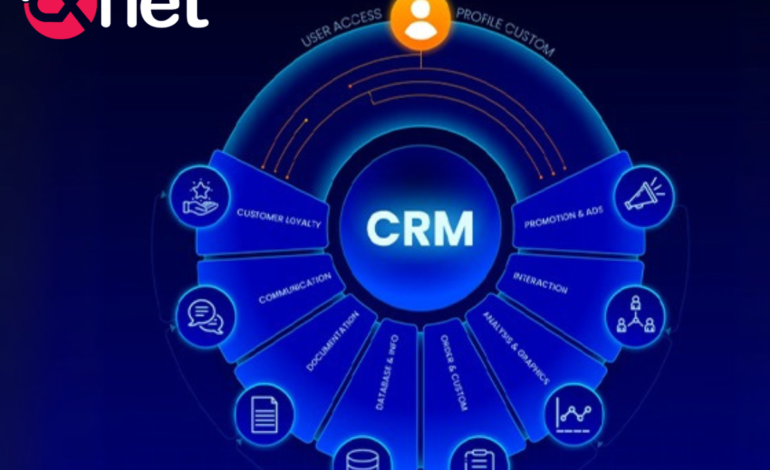
A CRM platform helps organizations manage and improve customer relationships throughout the sales and service process. Its main focus is operational, organizing customer data, tracking interactions, and helping teams work more effectively.
CRM systems serve as a central place for customer information, including contact details, purchase history, communication logs, and service requests. Sales teams use CRMs to manage pipelines and predict revenue, while support teams use them to track issues and ensure prompt resolution.
Key features of a CRM platform include:
• Customer data and account management
• Sales pipeline and opportunity tracking
• Customer support and ticketing
• Marketing and sales automation
• Performance and revenue reporting
CRMs are mainly used by internal teams like sales, customer service, and account management, focusing on improving productivity and revenue.
What Is a CX Platform?
A CX platform, in contrast, focuses on how customers experience a brand at every interaction and touchpoint. Rather than concentrating on transactions, CX platforms capture customer opinions, emotions, and feedback to help organizations understand the quality of experiences they provide.
CX platforms gather data from various sources—surveys, social media, reviews, digital interactions, and customer feedback—to create a complete view of the customer journey. They enable organizations to identify gaps in experience, understand customer feelings, and take steps to improve engagement.
Key features of a CX platform include:
• Voice of the Customer (VoC) collection
• Customer journey mapping and analysis
• Experience metrics such as NPS, CSAT, and CES
• Sentiment and behavioural analytics
• Personalization and experience optimization
CX platforms are usually used across different departments, including marketing, product, operations, and leadership teams, to improve experiences organization-wide.
CRM vs CX Platform: Key Differences
The main difference between a CRM and a CX platform is their focus and goals.
A CRM is business-focused, designed to help organizations manage customer relationships efficiently. It answers questions about who the customer is, what they bought, and when the last interaction occurred.
A CX platform is customer-focused, aiming to understand how customers feel and why they behave in certain ways. It addresses questions like where customers encounter difficulties, which moments matter most, and what fosters loyalty or dissatisfaction.
In simple terms, CRMs manage relationships, while CX platforms manage experiences.
Transactional Data vs Experiential Insights
CRM platforms mainly handle structured, transactional data—sales records, service tickets, and interaction histories. While this data is vital for operational efficiency, it often lacks emotional context.
CX platforms complement this by capturing insights about experiences. They analyse customer feedback, emotions, and behaviour to uncover the reasons behind customer actions. For example, a CRM might show an increase in support tickets, while a CX platform reveals whether those interactions were positive, frustrating, or unresolved.
This distinction helps organizations shift from simply solving problems to actively managing experiences.
Do Businesses Need Both CRM and CX Platforms?
For many organizations, the answer is yes.
CRM and CX platforms are not rivals; they work together. While CRM systems offer structure and control, CX platforms provide intelligence and insight. Together, they help businesses align internal processes with customer expectations.
Integrating CRM and CX platforms allows organizations to close the loop—linking customer feedback with actions, improving journeys, and boosting overall satisfaction.
When Should Organizations Invest in a CX Platform?
Organizations should think about investing in a CX platform when:
• Customer churn is rising even with strong sales performance
• Feedback is gathered but not effectively analysed or acted upon
• Different teams manage various parts of the customer journey
• Leadership needs better visibility into customer feelings and loyalty
As customer expectations keep increasing, CX platforms help organizations stand out by delivering consistency, empathy, and personalization.
Conclusion
While CRM platforms are essential for managing customer relationships and driving revenue, they are no longer enough on their own. CX platforms bridge the gap by providing a full view of customer experiences, feelings, and journeys.
In an experience-driven marketplace, businesses that grasp the difference between CRM and CX platforms—and use them together effectively—are better positioned to build trust, loyalty, and long-term success.